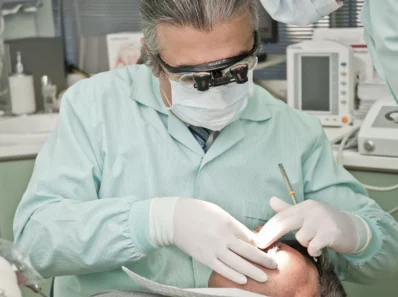
Polish dentist in bury st edmunds: trusted care at your local polish clinic
Finding comfortable, reliable dental care is important, especially when language and cultural familiarity matter. This article explains what you can expect from a Polish dentist operating in Bury St Edmunds, how clinics serve the local community, and practical tips for your visit. Whether you are new to the area or simply prefer to speak Polish with your clinician, there are options that prioritize clear communication and professional standards.
why choose a Polish-speaking dentist near you
Choosing a practitioner who speaks your language can reduce stress and improve understanding of treatment plans. Many patients find it easier to discuss symptoms, ask questions about costs or aftercare, and feel more confident consenting to procedures.
Polish-speaking dentists often offer culturally sensitive care. They understand local preferences and can explain options in a familiar way. This can be especially helpful for families, older adults, or anyone who prefers discussing health matters in Polish.
services offered at the local polish clinic
Most community dental practices provide a full range of services. From routine check-ups and hygiene appointments to restorative work and cosmetic treatments, you can expect modern care delivered with attention to comfort. Many clinics also handle emergency appointments.
- General dentistry: check-ups, fillings, root canal treatment
- Preventive care: cleaning, fluoride, sealants
- Cosmetic options: whitening, veneers
- Prosthetics: crowns, bridges, dentures
To find the right practitioner for your needs, you might search local listings or ask for recommendations within Polish community groups. A quick online search should help you locate practitioners nearby, such as the dentysta bury st edmunds clinic mentioned by local residents.
what to expect during your first visit
Initial visits usually begin with a straightforward assessment. The dentist or hygienist will review your medical history, any current concerns, and take X-rays if needed. Expect a clear discussion of any findings and a recommended plan with estimated costs.
| Appointment type | Typical duration | Purpose |
|---|---|---|
| New patient exam | 30–45 minutes | Full assessment, X-rays, treatment plan |
| Hygiene visit | 20–30 minutes | Cleaning, oral health advice |
| Emergency consult | 15–30 minutes | Pain relief, urgent care |
Bring any previous dental records if possible. If you need translation of technical terms, insist on clear, plain-language explanations — a good clinic will take the time to ensure you understand treatment choices.
booking, payment and practical tips
Most clinics accept online bookings and phone calls. When you call, ask about registration steps, whether they accept NHS or private patients, and what identification is required.
Payments can vary: some treatments are covered by the NHS, while others are private. It’s wise to request a written estimate before major work and to ask about payment plans if needed.
Additional tips:
- Arrive a few minutes early to fill paperwork.
- Bring a list of current medications and allergies.
Being prepared helps your appointment run smoothly and maximizes the time with your clinician.
What languages are spoken at Polish dental clinics?
Many Polish clinics in the UK staff Polish-speaking dentists and receptionists, but English is also widely used. Always confirm language preferences when booking.
Do clinics accept NHS patients?
Some clinics offer NHS services while others are private only. Check when booking; the receptionist can confirm eligibility and costs.
How quickly can I get an emergency appointment?
Emergency availability varies, but most practices reserve slots for urgent pain or trauma. Call as soon as possible and describe symptoms to be prioritized.