One-stop clinic in the uk: what to expect on your visit
Visiting a one-stop clinic can feel like a relief: you book one appointment and multiple checks are done in the same visit. In the UK many clinics combine routine cervical screening, diagnostic swabs, blood testing and even basic dental restoration planning so patients leave with answers rather than more appointments.
Reception and quick triage usually start the visit. Staff will confirm your history, explain each test, and guide you through consent. The process is designed to be efficient and respectful of privacy.
Understanding the pap smear and vaginal culture
A Pap smear screens for abnormal cervical cells that may indicate pre-cancerous changes. It is quick, usually causing only brief discomfort. A vaginal culture checks for infections like bacterial vaginosis, yeast or sexually transmitted infections; results guide targeted treatment.
If your clinician suspects infection, they might take a swab during the same pelvic exam. For example, a routine check can include a posiew z pochwy so laboratory analysis identifies bacteria or fungi and informs therapy choices.
Timing can matter: avoid sexual intercourse, douching or intravaginal medicines 24–48 hours before a swab for best accuracy.
Blood tests that are commonly offered
Blood work in a one-stop setting often includes basic panels: full blood count, inflammatory markers, and sexually transmitted infection screens if indicated. Hormone profiles or metabolic checks may be added depending on symptoms.
Turnaround times vary—some labs return results in 24–48 hours, others may take longer. Your clinician should explain when and how you will get results and any follow-up needed.
| Test | Purpose | Typical turnaround |
|---|---|---|
| Full blood count | Overall health, anemia, infection clues | 24–48 hours |
| Inflammatory markers | Detect ongoing inflammation or infection | 24–72 hours |
| STI serology | Screen for HIV, syphilis, hepatitis | 48–96 hours |
Dental restoration alongside medical tests
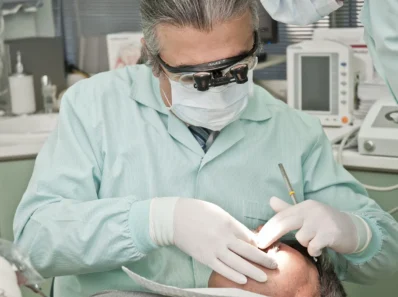
Some integrated clinics coordinate with dental services to address urgent oral problems at the same visit. Simple restorations, temporary crowns or referrals for definitive dental care can be arranged.
This approach is useful when oral health affects general wellbeing—untreated infections can complicate other conditions, and discussing both with one care team saves time.
When complex dental work is needed, the clinic will provide a clear referral pathway and explain costs and timelines so you can plan follow-up.
Preparing for your appointment and next steps
Before attending, bring ID, a list of current medications, and any prior test results if available. Wear comfortable clothes and allow time for possible scans or extra tests.
- Check whether fasting is needed for blood tests.
- Note any symptoms or questions to discuss during the consultation.
After the visit, expect a follow-up plan: immediate treatment if required, prescriptions, or a phone call with lab results. If something needs specialist input, the one-stop clinic should help coordinate next steps so the care journey continues smoothly.
How long does a one-stop clinic visit take?
It varies: plan for 60–120 minutes depending on tests and procedures. Some visits are quicker, others need observation time or multiple samples.
Is a Pap smear painful?
Most people report only mild discomfort. Communication with your clinician can reduce anxiety; techniques like breathing and relaxation help.
When will I get my test results?
Simple results often arrive within a few days; specialist tests can take longer. The clinic should tell you the expected timeframe and how results will be delivered.
Can I have dental work done the same day as blood tests?
Minor dental procedures are often possible the same day; more complex treatments may require a separate appointment. Check with the clinic ahead of time.